
Chemcote Petrochemical Coating Solutions
Advanced Anti-Corrosion, Chemical Containment and Asset Integrity Coatings for Petrochemical Infrastructure
Protecting petrochemical refining, processing and chemical manufacturing infrastructure requires specialised engineering coating systems capable of withstanding extreme chemical exposure, thermal shock, continuous moisture and aggressive atmospheric corrosion. Critical plant assets including ammonia pipelines, cold wet pipe externals, chiller tube sheets, column pumps, pressure vessels and concrete bund areas suffer from severe pitting, galvanic degradation, concrete spalling and chemical pooling. Without advanced surface protection, these harsh environments risk catastrophic failure, ground contamination and costly production shutdowns.
Chemcote provides industry-leading, Australian-owned protective coating applications, NACE and ACA certified inspections, design specifications and asset refurbishment services across Australia. Servicing major energy producers, chemical manufacturing facilities and co-generation plants, Chemcote deploys high-performance vinyl ester glassflakes, surface-tolerant epoxies and concrete repair systems to extend asset service life while ensuring worker safety and operational compliance.
The Petrochemical Corrosion Challenge
Operating petrochemical processing plants presents severe chemical and structural degradation hurdles:
Cold and Wet Pipe Condensation: Ammonia pipelines and cold process lines operate with continuous surface moisture, where solvent-based coatings and dry grit blasting are strictly prohibited.
Galvanic Corrosion in Chillers & Heat Exchangers: Dissimilar metal contact between mild steel water boxes and bronze or exotic alloy tube sheets causes rapid localised pitting and division plate bypassing.
Severe Erosion-Corrosion in Column Pumps: Suction bells, wear spacer housings and adjoining column pipe internals suffer combined chemical attack and hydrodynamic erosion.
Concrete Bund & Floor Spalling: Decades of exposure to sulphuric acid, hot caustic, brine and chlorine degrade concrete floors, creating chemical pools, trip hazards and ground contamination risks.
Why Chemcote? The Technology Advantage
Chemcote shifts the maintenance paradigm by deploying moisture-tolerant, solvent-free glassflake coatings and concrete barrier systems designed for damp, wet or chemical-contaminated substrates. Our specialised technologies eliminate hazardous solvent fumes, allow parallel work in confined spaces and provide long-term protection without requiring dry grit blasting.
CONVENTIONAL PETROCHEMICAL PAINTS
- Requires Dry Abrasive Blasting
- Prohibited Solvent Fumes in Confined Spaces
- Fails on Cold Wet Pipelines
- Requires Complete Plant Shut Down
- Standard Concrete Coatings Fail Under Chemical Spills
CHEMCOTE ADVANCED SYSTEMS
- Surface Tolerant (Sa 2, WJ-2, St3)
- Solvent-Free / Low Odour / Safe for Confined Spaces
- Moisture-Tolerant Application on Wet Pipes
- Parallel Application During Active Operations
- Extreme Chemical Barrier with Acid-Detecting Visual Indicator
Key Technical Benefits
1. Solvent-Free & Confined Space Safety
Our solvent-free epoxy systems (Epo-Chem RS 500P & RA 500M) emit low odour and zero VOCs, allowing safe application in confined pipe chases and active production zones alongside parallel engineering trades.
2. Precision Rebuilding & Galvanic Isolation
Using Chem-tect RB 300 series glassflake vinyl esters, we rebuild severely pitted tube sheets, sealing faces and wear ring lands, post-machining surfaces to restore original tolerances and isolate dissimilar metals.
3. Extreme Chemical Resistance
Our vinyl ester glassflake barriers (Chem-tect RA 300 / RF 500) and high-temperature coatings (Hot-cote RD 900) withstand aggressive chemical immersion across a pH range of 0 to 13, including sulphuric acid, hot caustic, brine and chlorine.
4. Innovative Concrete Protection & Safety Leak Detection
Our Damp-crete RH 800 and chemical-resistant topcoats restore damaged concrete bunds and walkways, featuring smart colour-changing properties (orange to red) upon contact with 98% sulphuric acid for rapid leak detection.
Specialised Petrochemical Solutions
1. Ammonia Pipelines and Cold Wet External Pipes
Applying moisture-tolerant, solvent-free epoxies (RS 500P & RA 500M) to cold, sweating ammonia bullet pipelines without dry grit blasting, preventing catastrophic pipe wall failure.
2. Chiller Water Boxes, End Covers and Heat Exchangers
Rebuilding corroded floating heads, channel covers and bronze tube sheets using Chem-tect RB 300/332. Precision post-machining of sealing faces prevents fluid bypassing and extends heat exchanger life.
3. Column Pump and Suction Bell Refurbishment
Rebuilding internal diameters, suction bells and wear spacer housings affected by erosion-corrosion. Restoring hydraulic pump profiles back to original design efficiency.
4. Chlorine Plant Bunds, Concrete Floors and Walkways
Comprehensive concrete restoration for acid bunds, BIX columns and filter press floors. Eliminating ground contamination, sealing leakage paths and providing anti-slip walkways.
Why Chemcote? The Technology Advantage
Chemcote shifts the maintenance paradigm by deploying solvent-free, wet, rust and oil-tolerant coating technology. Unlike conventional paints, our systems do not require clinically dry or perfectly blast-cleaned steel.

SURFACE PREPARATION
- Ultra High Pressure Water Jetting (UHP)
- Glass Bead & Abrasive Blasting
- High Pressure Concrete Decontamination

SPECIFICATION & INSPECTION
- NACE / AMPP Certified Coating Inspections
- Corrosion Condition Reports & Asset Life Analysis
- Full QA Spark Testing (6kV) & Thickness Verification

COATINGS APPLICATION
- Confined Space Pipeline & Tank Lining
- Precision Machined Heat Exchanger Sealing Faces
- Concrete Bunding & Anti-Slip Flooring
Marine Assets Protected
Asset Category
Specific Applications
Coating System
Piping & Distribution
Ammonia Pipelines, Cold & Wet Pipe Externals, CW Pipework, Valves
Epo-Chem RS 500P Primer & RA 500M Solvent-Free Epoxy
Heat Transfer Equipment
Industrial Chillers, Floating Heads, Channel Covers, Tube Sheets, End Covers
Chem-tect RB 300 / RB 332 Vinyl Ester & Epo-Chem RL 500PF
Rotating & Process Plant
Column Pumps, Suction Bells, Agitators, Scrubbers, Absorbers, Pressure Vessels
Chem-tect RB 300 Series & Hot-cote 900 Series
Containment & Flooring
Acid Concrete Bunds, Chlorine Plant Floors, Walkways, Pump Plinths
Chem-deck, Damp-crete RH 800, Epo-chem RF 500 & Hot-cote RD 900
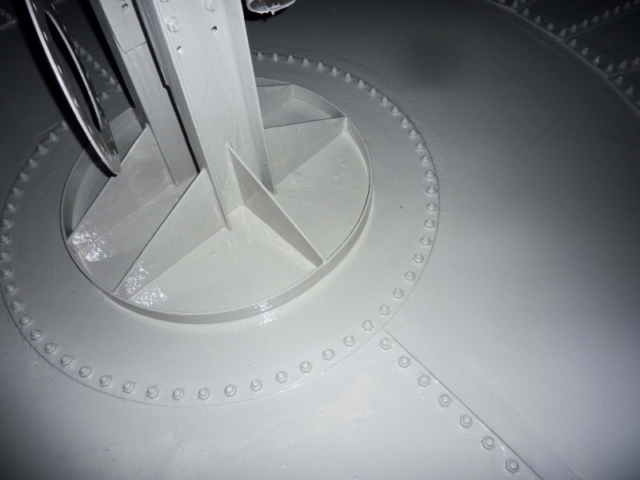
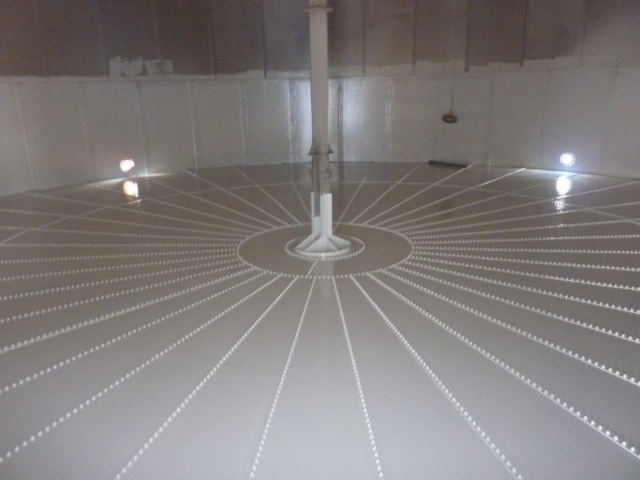
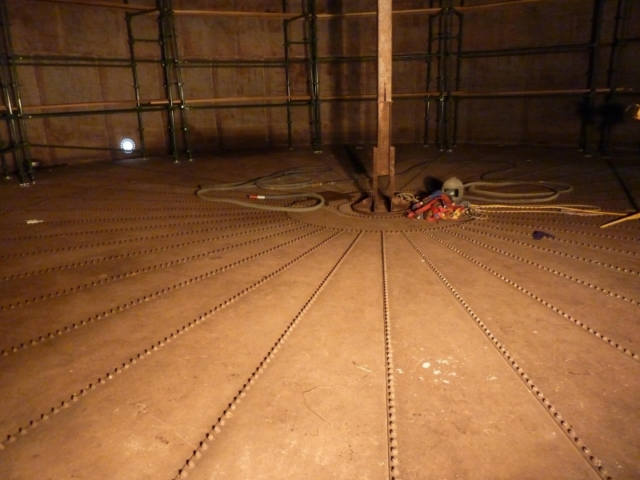
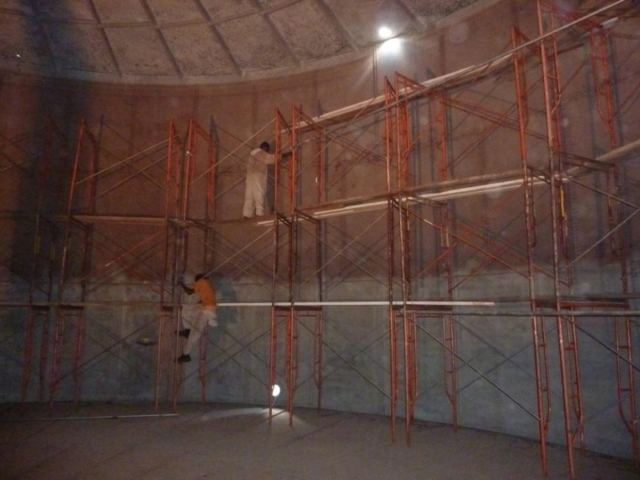
CASE STUDIES
Check out some of the projects we’ve worked on.
Download Our Petrochemical Brochure
Gain complete technical specifications, application guides and performance data for our petrochemical and chemical processing protective systems.

Frequently Asked Questions
How does Chemcote protect cold, sweating ammonia pipelines without dry grit blasting?
We deploy solvent-free, moisture-tolerant epoxy systems (Epo-Chem RS 500P and RA 500M). These coatings can be applied directly to cold, damp pipe surfaces prepared via water washing or surface preparation methods, eliminating flash rust issues and avoiding hazardous solvent buildup in confined areas.
How do Chemcote coatings isolate dissimilar metals in chillers and heat exchangers?
Galvanic corrosion occurs where mild steel water boxes meet bronze or alloy tube sheets. We apply high-dielectric Chem-tect RB 300 vinyl ester glassflake across the tube sheet and sealing faces, physically isolating the metals and precision-machining the division plate faces to prevent fluid bypassing.
Can Chemcote repair severely corroded concrete bunds while the chemical plant is operating?
Yes. We utilise solvent-free, low-odour coatings (Epo-Chem RF 500 and Hot-cote RD 900) over moisture-tolerant Damp-crete RH 800 primers. Because these systems emit zero volatile organic fumes, repairs to concrete bunds, walkway floors and pump plinths can be carried out safely alongside operating plant equipment.
What is the advantage of Chemcote’s chemical-resistant bund coating indicator?
Our specialised chemical bund coatings for acid containment areas feature an innovative visual safety indicator that changes colour from orange to red upon contact with 98% sulphuric acid. This allows operators to immediately identify minor chemical leaks, ensure worker safety and perform swift clean-ups before concrete damage occurs.