
Chemcote Marine and Offshore Coating Solutions
Advanced Anti-Corrosion, Ceramic and Underwater Protective Coatings for Marine Assets
Protecting marine and offshore infrastructure requires engineering solutions built to withstand the world’s most destructive environments. Marine assets face a relentless combination of high salinity, extreme moisture, tidal abrasion, bio-fouling and cavitation. Without advanced surface protection, these factors lead to rapid pitting, crevice attack, structural degradation and costly operational downtime.
Chemcote provides industry-leading, Australian-owned marine coating applications, design specifications and asset repair services. Utilising technologically advanced, solvent-free, wet and rust-tolerant coating systems, Chemcote extends the operational lifespan of vessels, offshore platforms, port infrastructure and underwater assets while substantially reducing maintenance costs.
The Marine Corrosion Challenge
Operating in marine and splash zones presents distinct engineering hurdles:
– Atmospheric and Splash Zone Corrosion: Continuous cycles of wetting, drying, elevated temperatures and high oxygen levels create aggressive atmospheric conditions that degrade conventional paint systems rapidly.
– Immersion and Subsea Degradation: Submerged structures endure continuous hydrostatic pressure, galvanic interaction and aggressive biological fouling.
– Cavitation and Fluid Abrasion: High-velocity turbulent zones (such as thruster tunnels, rudders and pump impellers) suffer severe metal loss due to hydrodynamic cavitation and mechanical wear.
– Surface Preparation Bottlenecks: Traditional marine coatings demand dry-grit blasting to high standards (Sa 2½), which is often impossible, unsafe or prohibitively expensive during active sea deployment, slipway dry-docking or emergency subsea repairs.
Why Chemcote? The Technology Advantage
Chemcote shifts the maintenance paradigm by deploying solvent-free, wet, rust and oil-tolerant coating technology. Unlike conventional marine paints, our systems do not require clinically dry or perfectly blast-cleaned steel.
CONVENTIONAL MARINE PAINTS
- Requires Dry Abrasive Blasting
- Strict Moisture & Dew Point Limits
- High VOCs & Hazardous Solvents
- Biocide Leaching Anti-Fouling
- Multi-Coat Delays (Overcoating)
CHEMCOTE ADVANCED SYSTEMS
- Surface Tolerant (Sa 2, WJ-2, St3)
- 100% Wet & Subsea Application
- Solvent-Free / Zero VOC
- Non-Stick, Scrubbable Ceramic
- Rapid Cure / Cure Underwater
Key Technical Benefits
1. Zero VOC and Environmentally Safe
100% solvent-free formulations mean zero Volatile Organic Compounds (VOCs), zero fire risk in confined spaces (ballast or cargo tanks) and no biocide leaching into ocean ecosystems.
2. Substantial Time and Cost Savings
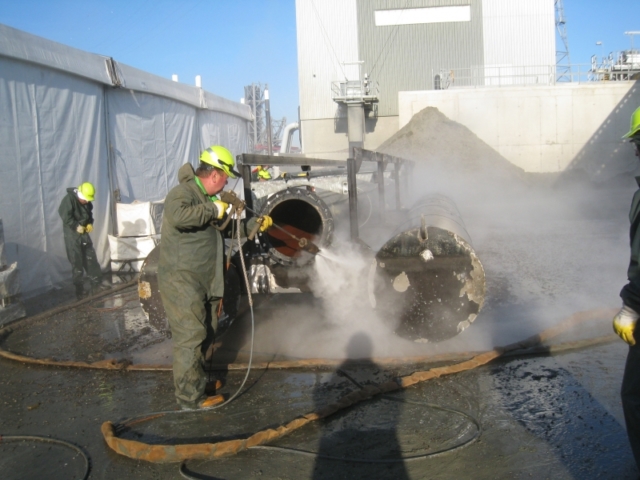
Compatible with hydro-blasting or water-jetting (WJ-2/WJ-3) and mechanical tool preparation (St 3). This eliminates the cost, containment issues and disposal hazards of abrasive grit blasting.
3. Underwater Application and Curing
Our specialised epoxy and ceramic systems can be applied directly underwater to repair cracks, pitting and hull damage without necessitating emergency dry-docking.
4. No Overcoating Limitations
Simplified multi-coat applications that bond chemically regardless of elapsed time between coats.
Specialised Marine and Offshore Solutions
1. High-Performance Glassflake and Ceramic Systems
Designed for ultimate mechanical strength, our ceramic and glassflake-reinforced coatings form an impenetrable barrier against chemical attack and physical impact.
Anti-Cavitation Systems: Engineered for thruster tunnels, rudders and impellers. Demonstrates near-zero mass loss in severe hydrodynamic cavitation environments compared to stainless steel or cupronickel.
Abrasion-Resistant Linings: Protects deck equipment, anchor pockets and cargo holds subject to heavy mechanical impact.
2. Hull Coatings and Non-Stick Anti-Fouling Alternatives
A multi-functional, biocide-free glassflake hull coating system that revolutionises vessel efficiency:
Friction and Fuel Reduction: Creates a smooth, low-friction profile that lowers hydrodynamic drag and reduces vessel fuel consumption.
Scrubbable Maintenance: Bio-fouling and marine growth cannot penetrate the hard ceramic surface; hulls can be easily cleaned in-water via low-pressure water jetting or mechanical scrubbing without stripping the coating.
3. Sea Water Ballast and Crude Oil Tank Linings
Tank internal failure is a primary cause of structural marine risk. Chemcote provides long-term lining systems for:
Sea Water Ballast Tanks: Damp and rust-tolerant primers penetrate tight structural geometry, arresting corrosion completely.
Crude Oil and Cargo Tanks: Exceptional chemical resistance against hydrogen sulphide, hot crude oil and sludge accumulation.
4. Wet and Subsea Emergency Repairs
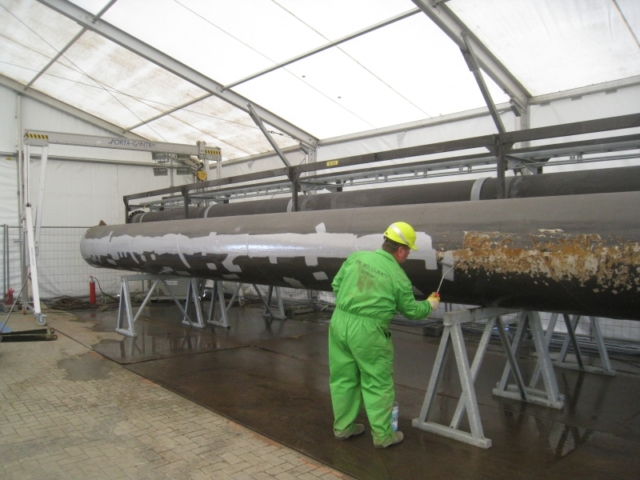
Our unique marine repair epoxies bond directly to wet, submerged or oil-contaminated substrates. Ideal for cofferdams, underwater hull patching, pier pylons and slipway emergency repairs.
Why Chemcote? The Technology Advantage
Chemcote shifts the maintenance paradigm by deploying solvent-free, wet, rust and oil-tolerant coating technology. Unlike conventional marine paints, our systems do not require clinically dry or perfectly blast-cleaned steel.

SURFACE PREPARATION
- Ultra High Pressure Water Jetting (UHP)
- Mechanical Prep (St3)
- Abrasive Blasting

SPECIFICATION & INSPECTION
- NACE / AMPP Certified Coating Inspections
- Asset Life Extension Design Specifications

COATINGS APPLICATION
- On-site Slipway/Drydock
- Confined Space Tanking
- Underwater Patching & Composite Reinforcement
Marine Assets Protected
Asset Category
Specific Applications
Coating System
Underwater Hull and Propulsion
Hulls, Rudders, Bow Thrusters, Thruster Tunnels, Stern Tubes
Anti-Cavitation Ceramic and Non-Stick Hull Systems
Internal Tanks and Void Spaces
Ballast Tanks, Crude Cargo Tanks, Potable Water, Greywater, Fuel Tanks
Solvent-Free Wet/Rust Tolerant Tank Linings
Topsides and Structures
Decks, Accommodation Blocks, Cranes, Bulkheads, Helidecks, Funnels
High UV-Resistant Gloss Topcoats
Offshore Infrastructure
FPSO Structures, Jacket Legs, Tidal and Splash Zones, Subsea Pipelines
Heavy-Duty Glassflake and Underwater Epoxies
CASE STUDIES
Check out some of the projects we’ve worked on.
Download Our Marine Brochure
Gain complete technical specifications, application guides and performance data for our marine and offshore protective systems.

Frequently Asked Questions
Can Chemcote coatings be applied in wet conditions or directly underwater?
Yes. Our wet-tolerant epoxy and ceramic systems are specifically engineered to displace water and adhere directly to damp, wet or fully submerged steel and concrete surfaces. This allows for critical hull, pylon and cofferdam repairs to take place without expensive or emergency dry-docking.
How do solvent-free coatings improve safety during tank lining projects?
Conventional coatings release hazardous Volatile Organic Compounds (VOCs) that present explosion risks and severe toxicity in enclosed marine environments. Chemcote’s 100% solvent-free systems eliminate fire and explosion hazards, lower ventilation requirements and allow parallel maintenance trades to work safely nearby in confined areas like ballast or fuel tanks.
How does Chemcote's hull coating reduce long-term vessel operational costs?
Unlike sacrificial anti-fouling paints that leach toxic biocides and require frequent re-application, our non-stick ceramic hull coatings provide a hard, permanent barrier. Marine growth cannot firmly attach and is easily removed during routine operation or quick in-water scrubbing, maintaining low hydrodynamic drag and cutting vessel fuel consumption.
What surface preparation standard is required before applying Chemcote marine coatings?
While traditional marine paints strictly require dry grit blasting to Sa 2½, Chemcote coatings are surface-tolerant. They can be applied over hydro-blasted surfaces (WJ-2 or WJ-3) or mechanically prepped steel (St 3 or wire brush). This eliminates the cost, environmental contamination and downtime associated with abrasive grit containment.